
* THESE NOTES ARE CURRENTLY UNDER DEVELOPMENT AND ARE NOT 100% ACCURATE *
All images, text, JavaScript and HTML Code ©1995- by llamamusic.com
This web browser utility reads D‑10 Bulk Dump *.SYX files from a computer, tablet or smartphone and displays all Patch & Tone names. It was designed to create Patch and Tone listings from all of my Roland and third‑party PCM cards (PN‑D10‑03, Valhala, Best Choice, Voice Crystal, etc...) and various D‑10 SysEx files downloaded from the Internet. The method used is to LOAD ALL from a PCM card or RAM Memory Card into Internal Memory and then perform a BULK DUMP (Dump One Way ‑ All) on the D‑10 to create a valid SysEx file. Likewise, you can also load D‑5/10/20/110 SysEx files into the D‑10, perform a BULK DUMP and save SysEx files which can then be read by this utility. This utility will not work with any SysEx files previously created on a D‑5, D‑10, D‑20 or D‑110 synth (unless it was saved on a D‑10 using BULK DUMP (Dump One Way ‑ All)
Version 1.0(a) - 12/31/2023
     • Initial Release
Version 1.1 - 02/22/2024
     • Fixed a bug which was not displaying "Less Than" and "Greater Than" characters for Patch and Tone Names ("<" and ">")
Notes About D‑10 SysEx Bulk Dump Files & Synth Structure
- As you have probably noticed, there are several D‑10 SysEx files to be found on the Internet. Not all of these files will load correctly into the D‑10. Likewise, not all of these files will work with this utility. This utility is designed to work only with D‑10 SysEx files created using the BULK DUMP (Dump One Way ‑ All) method. This utility is able to tell the difference between SysEx file structures when you load them. The size of a Dump One Way ‑ All file is ~44KB
- There are a few D‑10 Patch banks in a *.ZIP file at this link which you can use to test the program, all saved as BULK DUMP (Dump One Way ‑ All)
 D-10_Reader_SysEx_Test_Files.zip
- SysEx files created on a D‑110 will load on a D‑10 but only 128 Tones will be loaded. No Patch info will be transferred. This is because D‑10 Performance Patches, Rhythm Patterns and Rhythm Tracks are not compatible with the D‑110. Keep this in mind when working with D‑110 files on a D‑10 because the Patch columns will have generic or blank enteries

- When using this utility on a Mac system, to speed up the load process, open a Finder window and search for all *.SYX files. Drag one file at a time from the Finder window directly onto the "Choose File (Safari/Chrome)" or "Browse (FireFox)" button in this browser utility. The file will then be read automatically without having to drill down and search through several directories (click for larger image)
D-10 Architecture
P A T C H E S
There are a total of 128 user editable Patches on the D‑10. The settings you can change in Patches are:
Patch Name - Reverb - Assign Mode - Panning - Tone Select - Tuning - Split Point - Bender Range & more
When you load a SysEx file, these 128 user Patches are overwritten with whatever data is contained in the SysEx file
T I M B R E S
There are a total of 128 preset Timbres on the D‑10. The settings you can change in Timbres are:
Tone Select - Fine Tuning - Reverb Switch - Assign Mode - Bender Range - Key Shift
When you load a SysEx file, these 128 Timbre settings are overwritten with whatever data is contained in the SysEx file
T O N E S (User Editable)
There are a total of 64 user editable Tones on the D‑10. The parameters you can change in Tones are:
Common Parameters (Envelopes, LFO's, Frequency, etc...) - PCM Waveform - Structure - Tone Name & more
When you load a SysEx file, these 64 user Tones are overwritten with whatever data is contained in the SysEx file
T O N E S (Preset Internal)
There are a total of 128 preset internal Tones on the D‑10. These are hard coded on IC12 and cannot be edited (ROM)
When you load a SysEx file, these 128 preset internal Tones are unaffected
M E N U D I V I N G
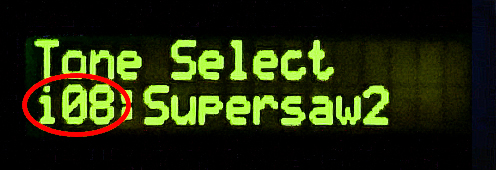
While scrolling through the menus on the LCD, you will notice different prefixes in front of the various sound names
       i08 = User Editable Tone #08     (RAM) / Bank i  (Bank i Tones can be edited and/or overwritten by a SysEx file)
     I-A36 = User Editable Patch #36    (RAM) / Bank A  (Bank A Patches can be edited and/or overwritten by a SysEx file)
     I-B84 = User Editable Patch #84    (RAM) / Bank B  (Bank B Patches can be edited and/or overwritten by a SysEx file)
       a46 = Preset Internal Tone #46   (ROM) / Bank a  (Bank a Tones can not be edited and/or overwritten by a SysEx file)
       b17 = Preset Internal Tone #17   (ROM) / Bank b  (Bank b Tones can not be edited and/or overwritten by a SysEx file)
       r59 = Preset Internal Rhythm #59 (ROM) / Bank r  (Bank r Rhythms can not be edited and/or overwritten by a SysEx file)
Questions & Answers
Wwwsex2050c0m - Free |top|
I can’t help create content that promotes or facilitates access to potentially unsafe, illegal, or adult sites. If you meant something else, please clarify—e.g., a research paper on internet safety, web domain naming, online pornography law, digital content moderation, or a fictional/creative piece—and I’ll write that.
Depending on whether you’re looking for a social media post about your own life or advice for writing fictional romance, here are a few options you can use. Option 1: Social Media Style (Personal) Use this for a lifestyle or "couple goals" post.
Caption: "With you, every moment feels like magic. We’re just better together."
Alternative: "A loving heart is the truest wisdom." — Charles Dickens
Engagement Tip: To make it stand out, set the scene by mentioning a spot that symbolizes something significant in your journey, like where you first met. Option 2: Creative Writing Advice (Storylines)
If you’re writing a blog or post about storytelling, focus on how to build a compelling arc.
The Emotional Core: The best stories feature characters who are even more compelling together than they are alone.
Plot Integration: If the relationship is the heart of your work, make the bond and the plot indistinguishable. Show the readers how they grow together or apart through permanent disruptions.
Reliable Tropes: Use proven concepts like enemies to lovers, fake dating, or second chances to deliver a high emotional payoff. Option 3: Deep Reflection (Relationship Dynamics)
This works well for a thoughtful post about the nature of love.
The Definition: Real romantic relationships are an art form of emotional and physical connection.
Key Question: "What is the best relationship advice you've ever received?" Asking this is a great way to start a conversation in your comments. 12 Types of Relationships You Need in Your Life
The Core 12 Types of Relationships * Acquaintanceships: The Foundation of Networking. ... * Friendships: The Pillars of Support. . Men's Prosperity Club Five things: creating believable relationships in fiction
Post Caption:
We’re wired for love — not just the fairytale kind, but the messy, real, unexpected kind. ❤️🩹
There’s a reason we still cry when the couple gets together in the final episode, or root for the slow burn over the perfect match. Romantic storylines aren’t just entertainment. They’re mirrors.
They show us:
- That love doesn’t always look like love at first sight — sometimes it’s two people growing together over years of friendship.
- That conflict isn’t the end — it’s the plot twist before the growth.
- That timing, vulnerability, and courage matter more than grand gestures.
So whether you’re writing a romance, living one, or healing from one — remember: the best love stories aren’t perfect. They’re persistent.
What’s a fictional couple that changed how you see real love? Drop their names below. ⬇️
Short Romantic Storyline Example (to accompany the post or use as a comment):
Two years of sitting across from each other at a coffee shop. Same seats. Same orders. Different books. One day, his train got canceled, and he stayed longer than usual. She was crying quietly over a chapter. He slid over a napkin that said: “If it helps, I cried at the end of The Little Prince too.” She laughed through tears. They talked for four hours. Now they live together, and she still finds napkins with little notes in his coat pockets.
To create a compelling write-up on relationships and romantic storylines, you should treat the relationship as its own character with a distinct arc. This involves balancing individual character growth with the evolving connection between two people. Foundational Elements of Romantic Storylines
The Three Arcs: Every romance actually consists of three main arcs: the internal journey of character A, the internal journey of character B, and the growth of the relationship itself.
Authentic Attraction: Move beyond physical attraction by defining "attraction drivers"—reasons why these specific characters fulfill each other's emotional needs or challenge their previous dating patterns.
The Power of Conflict: Tension is essential for momentum. Use a mix of:
Internal Conflict: A character's fear of vulnerability or past trauma that prevents them from committing.
Interpersonal Conflict: Friction between the lovers, such as differing goals or values.
External Conflict: Outside forces like societal barriers, career demands, or "forbidden love" scenarios.
Title: Why We Fall for Fictional Love (And What It Teaches Us About Real Relationships)
There’s a reason we slow down when a slow-burn romance appears on screen. Why we reread that one letter from Mr. Darcy. Why we cry when the childhood best friends finally kiss in the rain.
Romantic storylines aren’t just filler. They are mirrors.
But here’s the catch: The best fictional relationships don’t work because the people are perfect. They work because the connection feels earned.
Let’s break down what makes a romantic storyline unforgettable—and how that translates to real love.
1. The tension isn’t drama—it’s growth.
In great stories, conflict exists to reveal character. They argue because their values clash, not just because of a misheard text message. In real life? The healthiest couples don’t avoid disagreement. They use it to understand each other’s edges.
2. Timing is everything (and often terrible).
Right person, wrong time is a classic trope for a reason. It hurts because it’s true. A great romantic storyline respects that love alone isn’t always enough—readiness, healing, and circumstance matter. Real love asks: Are we both choosing each other from a place of wholeness?
3. The “grand gesture” is actually small and consistent.
We love the airport sprint. But the most moving romantic moments are quieter: a hand on a back during grief, remembering how they take their coffee, showing up without being asked. The best real relationships are built in the mundane, not just the montage.
4. Chemistry isn’t just attraction—it’s safety.
On screen, chemistry feels like electricity. In reality, lasting chemistry feels like exhaling. It’s the ability to say something weird, honest, or hard and not be judged. The best romantic storylines eventually reveal that passion deepens into peace.
A final thought for writers and dreamers alike:
If you’re crafting a romantic storyline, ask yourself: What do these two people teach each other? Love stories that last—on the page or in life—are not about finding someone who completes you. They’re about finding someone who challenges you to become more fully yourself.
And maybe that’s why we can’t look away. Because every great romance, real or fictional, whispers the same truth:
You are seen. You are chosen. And you are worth the work.
Let’s talk: What’s a romantic storyline (book, movie, game) that changed how you think about love? 👇
This report examines the state of modern relationships and romantic storytelling in 2026, highlighting a shift toward intentionality and authenticity across real-world dating and media representation. 1. Modern Relationship Dynamics & Dating Trends (2026) wwwsex2050c0m free
Current dating culture is marked by a "dating recession," where young adults are dating less frequently but seeking deeper connections.
Intentionality & "Clear-coding": A major trend is being upfront about relationship goals, seeking to avoid "situationships" and emotional burnout.
Dating App Fatigue: Users are experiencing burnout from endless swiping, leading to a resurgence of meeting in real life (IRL) through social clubs, parks, and "meet-cutes". Psychological Shifts:
Relationship Burnout: Couples are facing pressure to be everything for their partners—best friend, therapist, and purpose-giver.
Growth-based vs. Soulmate Beliefs: Those who view love as something to build (growth-based) often struggle more with breakups due to a "boomerang effect," whereas "soulmate" believers find it easier to let go once they decide a partner isn't "the one".
Professional Help: As apps lose appeal, there is a renewed interest in Professional Matchmaking and human-curated introductions. 2. Trends in Romantic Storylines (2026)
The romance genre is dominating media, with 2026 being hailed as the "Year of Romance" due to a massive wave of book-to-screen adaptations.
Relationships, Valentine's Day, and the state of love in 2026
The Power of Relationships and Romantic Storylines
Relationships and romantic storylines have been a cornerstone of human experience and storytelling for centuries. From the epic love stories of ancient Greece to modern-day rom-coms, the exploration of romance and relationships continues to captivate audiences worldwide. But what is it about relationships and romantic storylines that draws us in and resonates so deeply?
The Universal Language of Love
Romance is a universal language that transcends cultures, ages, and backgrounds. Whether it's the thrill of a new crush, the comfort of a long-term partnership, or the heartbreak of a lost love, romantic experiences are a fundamental part of the human journey. By exploring relationships and romantic storylines, we can tap into this shared emotional landscape and connect with others on a deeper level.
The Complexity of Human Connection
Relationships and romantic storylines offer a unique lens through which to examine the complexities of human connection. From the ebbs and flows of communication to the challenges of intimacy and vulnerability, romantic relationships can be a rich source of drama, conflict, and growth. By exploring these complexities, we can gain a deeper understanding of ourselves and others, and develop more empathetic and meaningful relationships.
The Evolution of Romance
Romantic storylines have evolved significantly over time, reflecting changing societal norms, cultural values, and individual experiences. From the chivalric romances of medieval Europe to the diverse, inclusive narratives of modern literature and film, the portrayal of romance has become increasingly nuanced and multifaceted. This evolution reflects our growing recognition of the diversity of human experience and the many forms that love and relationships can take.
The Impact on Our Lives
Relationships and romantic storylines can have a profound impact on our lives, shaping our perceptions of love, identity, and community. By engaging with these storylines, we can:
- Explore our emotions: Romantic storylines offer a safe space to experience and process a range of emotions, from the thrill of attraction to the pain of heartbreak.
- Develop empathy: By witnessing the experiences of others, we can develop a deeper understanding of the complexities and challenges of relationships.
- Reflect on our values: Romantic storylines can prompt us to reflect on our own values and priorities, and to consider what we want and need from our relationships.
The Enduring Power of Romance
Despite the challenges and complexities of relationships, romantic storylines continue to captivate audiences worldwide. Whether through literature, film, or real-life experiences, the exploration of romance and relationships remains a fundamental part of the human experience. By embracing this complexity and nuance, we can cultivate more empathetic, meaningful relationships and a deeper understanding of ourselves and others.
The Evolution of Relationships and Romantic Storylines: A Journey Through Time
Relationships and romantic storylines have been an integral part of human experience, captivating audiences through various forms of media, from literature to film and television. The portrayal of romance and relationships has undergone significant transformations over the years, reflecting changing societal values, cultural norms, and individual perspectives.
The Golden Age of Romance
In the early days of literature, romantic storylines were often characterized by chivalry, honor, and social status. Classic tales like Jane Austen's Pride and Prejudice and the Brontë sisters' Wuthering Heights showcased love as a powerful force that could overcome social obstacles, yet often adhered to traditional gender roles and societal expectations.
The Rise of Modern Romance
The 20th century saw a significant shift in the way relationships and romantic storylines were portrayed. The emergence of modernist and feminist movements led to more realistic and nuanced depictions of love, sex, and relationships. Works like The Great Gatsby by F. Scott Fitzgerald and Lady Chatterley's Lover by D.H. Lawrence explored the complexities of human relationships, desire, and the constraints of social norms.
Contemporary Romance
In recent years, relationships and romantic storylines have become increasingly diverse and inclusive. The rise of LGBTQ+ literature and media has provided a platform for underrepresented voices, showcasing a wide range of experiences and relationships. Contemporary works like The Time Traveler's Wife by Audrey Niffenegger and Me Before You by Jojo Moyes have explored complex themes like love, loss, and identity.
Tropes and Clichés
Despite the evolution of relationships and romantic storylines, certain tropes and clichés continue to persist. The "happily ever after" ending, the "chosen one" narrative, and the "love at first sight" trope remain popular, yet often criticized for their predictability and lack of realism. However, these tropes also serve as a foundation for more innovative and subversive storytelling.
The Impact of Social Media
The advent of social media has significantly influenced the way relationships and romantic storylines are portrayed and consumed. Platforms like Instagram and Twitter have created new avenues for storytelling, with authors and creators sharing their work and engaging with audiences directly. However, social media has also raised concerns about the representation of relationships, with the curated highlight reels often perpetuating unrealistic expectations and promoting consumerism.
Diverse Perspectives
In recent years, there has been a growing emphasis on diverse perspectives and representation in relationships and romantic storylines. Works like The Song of Achilles by Madeline Miller and Annie on My Mind by Nancy Garden have explored same-sex relationships, while authors like Chimamanda Ngozi Adichie and Celeste Ng have shed light on the complexities of relationships within diverse cultural contexts.
The Future of Romance
As relationships and romantic storylines continue to evolve, it's clear that the future of romance will be shaped by changing societal values, technological advancements, and shifting cultural norms. With the rise of virtual reality, artificial intelligence, and online platforms, new forms of storytelling and relationship-building are emerging.
In conclusion, relationships and romantic storylines have undergone significant transformations over the years, reflecting the complexities and diversity of human experience. As we move forward, it's essential to prioritize nuanced and realistic portrayals of love, relationships, and identity, ensuring that the stories we tell resonate with audiences and reflect the world we live in.
Some notable relationships and romantic storylines in literature and film include:
- Pride and Prejudice by Jane Austen
- The Notebook by Nicholas Sparks
- Titanic (1997) directed by James Cameron
- The Time Traveler's Wife by Audrey Niffenegger
- Me Before You by Jojo Moyes
- The Song of Achilles by Madeline Miller
- Annie on My Mind by Nancy Garden
These stories, among many others, have captivated audiences and contributed to the ongoing conversation about relationships, love, and identity. As we continue to navigate the complexities of human relationships, it's clear that the stories we tell will remain a vital part of our shared human experience.
Creating a compelling romantic storyline involves blending deep emotional stakes with consistent, healthy growth. This guide covers how to build a romance in fiction and how to maintain a strong connection in real life. Building Romantic Storylines (For Writers)
A great romance is more than just "meeting and falling in love." It requires tension, growth, and high stakes. Define the Core Emotion I can’t help create content that promotes or
: Determine the essence of the connection. Is it about healing, self-discovery, or sacrifice? Create Romantic Tension
: Move beyond physical attraction. Use internal monologues—what a character thinks but won't say—and subtle body language to build anticipation. Establish Mutual Goals
: Characters should have individual goals that either align or clash, forcing them to interact and evolve together. Implement Internal and External Conflict
: Conflict shouldn't just be about "fighting." It can be cultural differences, past trauma, or personal insecurities that make vulnerability difficult. Earn the Ending
: Whether the story is a "Happily Ever After" (HEA) or bittersweet, the resolution must feel earned through the characters' growth and hurdles overcome. Developing Healthy Relationships (In Real Life)
Building a lasting bond requires intentional habits and clear communication. Prioritize Open Communication
: Share your perspective and value your partner's. Address concerns as they arise rather than holding them in. Use the "2-2-2 Rule" : To keep the connection alive, schedule a date every , a weekend getaway every , and a longer vacation every Check-in with the "3-3-3 Rule"
: Evaluate a new relationship at three key milestones: after (is there genuine chemistry?), (do your lifestyles fit?), and (do you see a future?). Build and Maintain Trust
: Be transparent about your feelings and experiences. According to Utah State University
, avoiding even small secrets helps prevent emotional distance. Practice Small Romantic Acts
: Romance doesn't have to be grand. Write heartfelt letters, cook a meal, or take a long walk together to show regular appreciation. Recommended Reading For deeper insights into relationship dynamics, Penguin Random House suggests these titles: by Amir Levine and Rachel Heller (Attachment styles). Fight Right by Julie and John Gottman (Conflict resolution). for a story or communication exercises for a real-world partnership?
Creating Romantic Tension in Your Novel - Between the Lines Editorial
The phrase "relationships and romantic storylines" is grammatically correct and functions well as a title, category, or description for creative writing, media analysis, or social discussions.
If you are looking to refine it for a specific context, here are a few ways to adapt it: For Creative Writing or Gaming "Romantic Arcs and Relationship Building" : Common in RPG or visual novel development. "Character Dynamics and Love Interests" : Focuses more on the people involved. "Subplots: Romance and Connection" : Fits well in a screenplay or novel outline. For Academic or Analytical Use "Interpersonal Dynamics and Romantic Narratives" : A more formal approach for essays or media studies. "Representations of Intimacy and Storytelling" : Focuses on how these themes are portrayed. For Casual Content or Curation "Love Stories and Relationship Tropes" : Great for a blog post or YouTube video title. "Romance and Character Growth" : Highlights how the relationship affects the individuals. Are you using this for a story outline video game design
, or something else? I can give you more specific suggestions if you share the project!
Whether you're exploring the psychological foundations of real-world connections or the mechanics of a compelling romantic narrative, relationships are defined by their growth arcs and inherent conflicts. The Architecture of Romantic Storylines
In fiction, a romance isn't just a pairing; it is a plot driven by the tension between two people. Core Relationship Arcs: Positive Steadfast
: Characters start close and their bond is tested by external plot obstacles, ultimately strengthening their resolve (e.g., Frodo and Sam ) [25].
Positive Change: Characters start as strangers or enemies and grow closer through shared respect and love (e.g., enemies-to-lovers) [22]. Negative Change
: Characters start close but are pulled apart by betrayal or differing values, ending as strangers or enemies (e.g., Anakin and Obi-Wan ) [25].
Essential Conflicts: A strong storyline typically layers at least two types of conflict [34]:
Internal: Overcoming personal trauma or fear of intimacy to allow for a connection [34].
Interpersonal: Direct friction between partners, such as competing for the same job or dealing with past heartbreaks [31, 34]. Societal : External pressures like class differences (e.g., The Notebook ) or forbidden love scenarios [17, 34]. Popular Tropes & Dynamics: Fake Dating
: Partners pretend to be together for a specific goal (visa, inheritance, revenge) and eventually fall in love (e.g., Twisted Lies , What Happens in Amsterdam ) [3, 5, 31].
Friends-to-Lovers: A foundation of long-term trust that is complicated by the risk of ruining the friendship (e.g., When Harry Met Sally ) [17, 31].
Second Chances: Rekindling a past flame after years of separation or growth (e.g., This Thing Called Love ) [2, 5]. Real-World Relationship Dynamics
Healthy relationships often rely on structured habits and psychological foundations to navigate life's challenges.
Foundation of Success: Key elements include open communication, empathy for a partner's perspective, and adaptability as life circumstances change [9]. Maintenance Rules:
7-7-7 Rule: A date night every 7 days, a weekend getaway every 7 weeks, and a kid-free vacation every 7 months [39].
2-2-2 Rule: Intentional intimacy every 2 weeks, 2 months, and 2 years [40].
3-3-3 Rule for Intimacy: Allocating 3 hours a week each to individual hobbies, scheduled couple time, and shared domestic tasks [45].
Common Issues: Major hurdles often include negative communication patterns, unmeet emotional needs, and conflicts over parenting or in-laws [43].
Types of Love: Drawing from Greek philosophy, relationships are often categorised into different "types," such as Eros (passionate), Philia (friendship), and Pragma (long-standing, enduring love) [44]. Relationship Milestones & Debate Topics Topic Category Key Questions / Milestones [42] Commitment
Is marriage still relevant? Should you live together before marriage? Trust
Can a relationship survive infidelity? Is it okay to keep secrets? Practicality Should couples split bills 50/50? Is debt a dealbreaker? Digital
Should partners share passwords? Is online flirting cheating?
Here are some social media post ideas about relationships and romantic storylines:
Facebook Posts:
- Love Story of the Week: "Share with us your favorite celebrity couple's love story and why you love it! Is it a classic rom-com or a real-life fairy tale? Let us know in the comments below!"
- Relationship Goals: "What's your idea of a perfect date night? Share your favorite activities, restaurants, or movies that make your heart skip a beat! #RelationshipGoals #Romance"
- Romantic Movie Night: "It's Friday night, and we're cozying up with a romantic movie! What's your go-to rom-com or favorite love story film? Share with us and let's get this movie night started! #RomanticMovieNight #Love"
Instagram Posts:
- Couple's Inspiration: "Couple goals alert! Check out this adorable couple's romantic getaway and get inspired for your next vacation or date night! #CoupleGoals #RomanticGetaway"
- Love Quotes: "Love is in the air! 'The greatest happiness of life is the conviction that we are loved; loved for ourselves, or rather, loved in spite of ourselves.' - Victor Hugo #LoveQuotes #RelationshipInspo"
- Date Night Ideas: "Date night on a budget! Here are some creative and fun ideas to spice up your relationship without breaking the bank: [list ideas] #DateNightIdeas #RomanceOnABudget"
Twitter Posts:
- Romantic Tweet: "Who else is a sucker for a good love story? Share your favorite romantic movie or book with us! #Romance #LoveStory"
- Relationship Advice: "Need relationship advice? We've got you covered! What's your biggest relationship concern? Share with us, and we'll do our best to help! #RelationshipAdvice #Love"
- Couple's Trivia: "Test your knowledge of famous couples! Who was the first couple to... [trivia question] #CoupleTrivia #Love"
Pinterest Posts:
- Romantic Getaways: "Dreaming of a romantic getaway? Check out our top picks for the most romantic destinations around the world! #RomanticGetaways #Travel"
- Date Night Ideas: "Need some inspiration for your next date night? Check out our board for creative and fun ideas to spice up your relationship! #DateNightIdeas #Romance"
- Love Quotes: "Get inspired by our favorite love quotes! Share your favorite quote with us and let's spread the love! #LoveQuotes #RelationshipInspo"
Subverting the Toxic Tropes: A Necessary Evolution
As we analyze the landscape of relationships and romantic storylines, we must acknowledge the elephant in the room: many beloved classics are, by today's standards, manuals for emotional dysfunction.
- The Stalking Lover: Following someone to the airport to "stop the wedding" is romantic. Following them to their apartment uninvited after a first date is a restraining order.
- The Fixer-Upper: "I can change him/her" is a recipe for disappointment, not a relationship. A character should enter a relationship whole, not as a project.
- The Miscommunication Trope: If 80% of your plot hinges on a character not saying the thing a normal human would say, you have a broken storyline.
The Fix: Subvert these tropes openly.
- Example: In Crazy Rich Asians, the climax isn't Nick chasing Rachel to the airport. It is Rachel realizing she does not need to sacrifice her dignity for his family's approval. She chooses herself, and then Nick chooses to meet her there. That is healthy, modern, and electric.
Conclusion: Your Story Is Still Being Written
The most fascinating thing about relationships and romantic storylines is that unlike a novel, your life has no guaranteed third act. You don't know if this is a tragedy or a comedy yet.
The modern romantic is a hybrid. We are cynical about tropes, yet desperate for connection. We scoff at "you complete me," yet we search for intimacy on a screen.
As you move forward, whether consuming or creating romantic storylines, ask yourself one question: Does this story teach me how to love, or does it teach me how to want?
Wanting is easy. The chase is thrilling. But loving—the boring, repetitive, non-linear, sweaty, complicated act of loving—is the only storyline worth the price of admission.
Stop chasing the airport scene. Start paying attention to the passenger seat. That is where the real romance lives.
What romantic storyline (book, movie, or real life) has changed the way you view love? Share your thoughts in the comments below.
The Pulse of Connection: Navigating Relationships and Romantic Storylines
Whether in the pages of a bestselling novel, on the silver screen, or in the messy reality of our daily lives, relationships and romantic storylines are the primary engines of human interest. They mirror our deepest desires, our greatest fears, and our fundamental need for connection. The Anatomy of a Romantic Storyline
A compelling romantic storyline is rarely just about two people falling in love. It is about the internal growth required to make that love possible. In fiction, we often see classic tropes: "enemies to lovers," "slow burns," or the "second chance." These structures work because they provide a framework for conflict—the essential ingredient that makes the eventual resolution satisfying.
In real life, our personal "romantic storylines" are often less linear. They involve navigating the "getting to know you" phase, the honeymoon period, and the eventual transition into a partnership built on stability rather than just sparks. The Shift Toward Realism
Modern audiences are increasingly craving authenticity. While the "grand gesture" was a staple of 90s rom-coms, today’s most resonant stories focus on emotional intelligence and communication. We are seeing a shift toward:
Vulnerability: Characters (and partners) who admit their insecurities.
Boundaries: The understanding that love does not mean losing one's self-identity.
Non-Traditional Dynamics: Exploring polyamory, long-distance success, and queer narratives that move beyond the struggle and into the joy of everyday life. Why We Remain Obsessed
Why do we return to these themes? Because romantic storylines act as a safe rehearsal for our own emotions. They allow us to process heartbreak, celebrate intimacy, and imagine "what if" from the safety of our couch.
In a world that often feels disconnected, these narratives remind us that the effort to understand another person is the most profound work we can do. Whether you are writing a script or living your own life, the best relationships are the ones where both parties are willing to be "co-authors" of the journey. AI responses may include mistakes. Learn more
The magic of a great story often isn't in the world-saving stakes or the complex magic systems; it’s in the quiet, tension-filled space between two people. Relationships and romantic storylines are the heartbeat of fiction, serving as the emotional anchor that keeps audiences invested long after the plot has been resolved.
Whether you are a writer looking to craft a compelling "slow burn" or a reader curious about why certain tropes pull at your heartstrings, understanding the mechanics of romantic narratives is key. The Foundation: Why We Crave Romantic Narratives
At our core, humans are social creatures. We use stories to mirror our own desires, fears, and experiences with intimacy. A well-written romantic subplot does more than provide a "break" from the action; it raises the stakes. When a character has someone to lose, their choices carry more weight. This emotional resonance is why romance remains the highest-selling genre in publishing and a staple of blockbuster cinema. Essential Elements of a Great Romantic Storyline 1. The Internal and External Conflict A romance needs a reason not to happen.
External Conflict: These are outside forces keeping the couple apart, such as rival families (the classic Romeo and Juliet), a war, or a literal distance.
Internal Conflict: These are the most satisfying hurdles. They involve a character's own fears, past traumas, or conflicting goals. If a character believes they are "unworthy of love," their journey toward the other person becomes a journey of self-healing. 2. Chemistry and "The Spark"
Chemistry isn't just about physical attraction; it’s about compatibility and contrast. The best couples often challenge one another. Dialogue plays a huge role here—the "banter" in an enemies-to-lovers arc or the comfortable silence in a childhood friends-to-lovers story shows the audience why these two people belong together and no one else. 3. The Power of Tropes
Tropes are the building blocks of romantic storylines. While they can feel cliché if mishandled, they provide a roadmap for emotional payoff. Popular examples include:
Enemies to Lovers: High tension that masks underlying passion.
The Fake Relationship: Forced proximity that leads to real feelings.
The Slow Burn: A gradual build-up that makes the eventual "first kiss" feel earned. Common Pitfalls to Avoid
To keep a relationship feeling authentic, creators must avoid certain traps:
Lack of Agency: Both characters should have lives, goals, and personalities outside of the relationship.
Instalove: If a couple falls deeply in love without any shared experiences or conflict, the audience loses the "chase" that makes romance exciting.
Toxic Patterns as Romance: There is a fine line between "protective" and "possessive." Modern audiences increasingly value healthy communication and mutual respect in their fictional ships. Conclusion
At the end of the day, relationships and romantic storylines succeed when they feel earned. We don’t just want to see two people end up together; we want to see them change, grow, and become better versions of themselves because of that connection. When a story nails that evolution, it becomes unforgettable.
In 2026, the landscape of relationships and romantic storylines in media has shifted toward emotional realism and "intentionality," moving away from mindless tropes toward stories that prioritize communication and vulnerability. Whether in film or literature, today's audiences are seeking "clarity over confusion," a trend that mirrors real-world dating shifts where singles are swapping "situationships" for stable, committed connections. Current Trends and Evolution
The "Intentionality" Shift: There is a growing rejection of toxic "red flag" glamorization. Instead, popular 2026 releases like Relationship Goals focus on "ambition matching" and "career rhythm," reflecting a modern desire for partners who share similar life goals and work-life balances.
Genre Hybrids (Romantasy & More): Romance is no longer a standalone category but a "built-in engine" for other genres. Romantasy (romance + fantasy) remains a dominant powerhouse because magical stakes provide a natural structure for high-tension emotional arcs.
Nostalgia Culture: A surge in "retro compatibility" has made late 90s and early 2000s settings—think landlines and mall culture—a primary comfort-reading niche for millennials. Strengths of Modern Storylines
Therapeutic Escapism: High-quality romance provides a "safe space" to explore complex negative emotions like grief, obsession, and fear, ultimately offering a satisfying emotional resolution.
Diverse Representation: The genre has become a leader in inclusion, featuring a broader range of protagonists from various backgrounds, which helps readers see themselves in the stories they love.
Emotional Intelligence: Well-written romances are noted for helping audiences develop "emotional fluency" and a better understanding of their own desires and boundaries. Reading trends in 2026: Genres shaping modern readers
Relationships and romantic storylines have been a cornerstone of human experience, captivating audiences through various forms of media such as literature, film, and television. These narratives often explore the complexities of love, heartbreak, and the human connection, providing a mirror to our own experiences and emotions. Post Caption: We’re wired for love — not
7 Popular Romantic Storyline Archetypes (with Examples)
| Archetype | Core Dynamic | Why It Works | | :--- | :--- | :--- | | Friends to Lovers | "I don't want to lose you, but I can't hide this anymore." | High trust + low risk. Feels safe and earned. | | Enemies to Lovers | "I hate how much I need you." | Maximum tension. Every argument is foreplay. | | Forced Proximity | "We're stuck together (trip, work, quarantine)." | Accelerates intimacy. Strips away pretenses. | | Second Chance | "We broke each other once. Can we try again?" | High emotional stakes. Themes of forgiveness. | | Opposites Attract | "You're chaos. I'm order. Let's burn." | Comedic and passionate. Each fills a missing void. | | Love Triangle | "Two people offer two different futures." | Forces character to define what they truly value. | | Forbidden Love | "The world says no. Our hearts say yes." | Us vs. the world drama. Romanticizes sacrifice. |
The Evolution of Romantic Storylines
Romantic storylines have evolved significantly over the years, reflecting changes in societal norms, values, and perceptions of love and relationships.
- Historical Context: In the past, romantic stories often conformed to traditional norms, featuring a heroic male lead and a damsel in distress. The narrative typically followed a predictable path toward a happily-ever-after ending.
- Modern Era: Today, romantic storylines have become more diverse and inclusive, representing a wider range of experiences, identities, and relationships. This shift includes stories with more realistic portrayals of love, such as unrequited love, platonic love, and the complexities of long-term relationships.
| If you find some of this DIY info useful, please consider donating a small amount. All donations are used for future DIY sampler development. Thanks! | 
|
 Back To The D-10 Patch & Tone Reader Utility