In the context of The Raid: Redemption , the Indonesian audio track is often highlighted as a "solid feature" or essential viewing option because it is the only way to experience the film's original score by Aria Prayogi and Fajar Yuskemal.
While the international release of the film (distributed by Sony) features a more "electronic" and "tense" score by Mike Shinoda (of Linkin Park) and Joe Trapanese, many fans and purists consider the original Indonesian audio to be superior for its "grimey" and "atmospheric" feel. Audio Track Key Differences
Original Indonesian Track: Features the original music by Aria Prayogi and Fajar Yuskemal. It is noted for its "muscular electronics" and "battering percussion" that some feel matches the film's geographical and spiritual intensity better.
International Track: Features the "US Score" by Mike Shinoda and Joe Trapanese. This is the version most commonly seen in theaters outside Indonesia and on many streaming services.
Availability: Most Blu-ray and 4K UHD releases now include both scores, allowing viewers to choose between them. Why It Is Recommended
If you are looking for the "solid" version of the film, experts and fans on platforms like Reddit and HighDefDigest suggest selecting the original Indonesian language track with subtitles. This ensures you avoid the widely criticized English dub and hear the score that director Gareth Evans originally intended.
The Auditory Evolution of The Raid: Redemption The audio landscape of the 2011 Indonesian action masterpiece (internationally titled The Raid: Redemption
) is a unique case study in how sound can be used to re-contextualize a film for different global markets. While the visual choreography remained constant, the film exists with two distinct musical identities: the original Indonesian score and the internationally known "Redemption" track. 1. The Dual Score Phenomenon
Unlike many international releases that simply dub dialogue,
underwent a significant sonic overhaul for its U.S. and global debut. Original Indonesian Score: Composed by Aria Prayogi Fajar Yuskemal
, this version is described as atmospheric, gritty, and heavily influenced by traditional industrial tones. It is often viewed as capturing the "point of view" of the decaying high-rise building itself. International "Redemption" Score:
Commissioned by Sony Pictures Worldwide Acquisitions, this score was composed by Mike Shinoda (of Linkin Park) and Joseph Trapanese
. It is characterized by high-tension electronic beats and propulsive rhythms designed to match the perspective of the elite police squad. 2. Composition and Artistic Direction
The two tracks offer vastly different emotional experiences for the viewer: Prayogi and Yuskemal:
Their work utilizes muscular electronics, battering percussion, and electric guitars that build into post-rock crescendos. Fans often praise it for its "spiritual connection" to the Indonesian setting. Shinoda and Trapanese:
This version is almost entirely instrumental, spanning over 50 minutes of original music. It also features guest vocalists for specific tracks, such as Chino Moreno (Deftones) on " Razors.Out " and the rap group Get Busy Committee on "Suicide Music". 3. Linguistic Tracks and Dubbing Beyond the music, the audio delivery varies by region:
The Raid: Redemption is a 2011 Indonesian action film directed by Gareth Evans. The movie follows a group of Jakarta policemen who raid a crime lord's apartment building, only to find themselves trapped and outnumbered. The Raid Redemption Indonesia Audio Track
The audio track of the film is a crucial element that enhances the overall viewing experience. The intense and suspenseful music perfectly complements the on-screen action, making the viewer feel like they're part of the raid.
As the story begins, the sound of gunfire and explosions fills the air, setting the tone for the rest of the movie. The audio track is a mix of quick cuts and long takes, mirroring the chaotic and intense action on screen.
One of the standout aspects of the audio track is the use of sound effects. The sound of bullets whizzing past, guns firing, and hand-to-hand combat creates a visceral experience for the viewer. The Foley sound effects are meticulously crafted to create a sense of realism, making it feel like the viewer is right in the middle of the action.
The score, composed by Tulus, is equally impressive. The music is a blend of traditional Indonesian instruments and modern electronic elements, creating a unique and haunting sound. The score perfectly captures the mood and tension of each scene, elevating the emotional impact of the story.
As the raid unfolds, the audio track becomes more intense and frenetic, mirroring the chaos on screen. The sound design is so immersive that it feels like the viewer is part of the action, dodging bullets and fighting alongside the characters.
The Raid: Redemption's audio track has received widespread critical acclaim for its innovative sound design and scoring. The film's use of sound has been praised for creating a truly immersive experience, drawing the viewer into the world of the movie.
Overall, the audio track of The Raid: Redemption is a key element that makes the film so compelling. It's a masterclass in sound design and scoring, and a testament to the power of audio to enhance the viewing experience.
Would you like me to make any changes?
Also, I can format it using some special text if you want, like making it italic or bold. Let me know if you have any requests.
If you are looking for a list here are some key points about The Raid Redemption Indonesia Audio Track
Indonesian audio track is the original, intended language for The Raid: Redemption . Recorded in Bahasa Indonesia
, it is widely considered the superior way to experience the film's gritty atmosphere and authentic martial arts performances. Key Details of the Indonesian Audio Originality:
This is the native language track featuring the actual voices of the lead actors, including Yayan Ruhian Availability:
Most physical releases (Blu-ray/DVD) and digital platforms allow you to select the "Indonesian" audio with English subtitles. The Score Difference:
It is important to note that the original Indonesian theatrical release featured a score by Fajar Yuskemal Aria Prayogi
. For the US/International release (Redemption), a new score was composed by Mike Shinoda (of Linkin Park) and Joseph Trapanese Why Choose Indonesian Audio? Authenticity: In the context of The Raid: Redemption ,
The dialogue matches the actors' lip movements and the specific cultural setting of Jakarta. Emotional Weight:
Dubbed versions often lose the intensity and raw vocal delivery of the SWAT team during the high-stakes hallway battles. Cinematic Intent:
Director Gareth Evans filmed the movie in Indonesia specifically to showcase Pencak Silat (Indonesian martial arts). Comparison with English Dub Indonesian (Original) English (Dubbed) Vocal Performance Authentic and high-energy Often criticized as flat or mismatched Required for non-speakers Not required High (Cultural accuracy) Low (Disconnect between audio/visuals) streaming platforms currently offer the original Indonesian audio track?
One of the film's greatest performances is Ray Sahetapy as Tama, the crime lord. His voice in the original Indonesian track is smooth, calm, and terrifyingly controlled. The way he whispers threats in Bahasa Indonesia creates a chilling contrast to the violence. In the English dub, that specific cadence is lost, making the character sound like a generic action movie bad guy.
Let’s take the iconic "Jaka vs. Mad Dog" fight. In the original track, Mad Dog (Yayan Ruhian) sarcastically asks Jaka (Joe Taslim), "Kamu sudah makan?" (Have you eaten?)—a bizarre, polite question before a death match that highlights his psychotic calm. The English dub changes this to "Are you ready to die?" which is cliché and loses the character’s unique tone.
Later, when Lieutenant Wahyu (Pierre Gruno) reveals his betrayal, his voice cracks with desperation in Indonesian. The English voice actor plays him as a standard corrupt cop, losing the tragic nuance.
Despite its perfection, the original audio track does have a few quirks that users report.
Rizal had always loved sound. Growing up in a narrow Jakarta apartment above a warung, he taught himself to hear what others missed: the cadence of rain on corrugated iron, the whispered harmonics of motorbike engines at dawn, the tiny percussive ballet of a street vendor folding plastic bags. Sound, to him, was the map of a city — each frequency a street, each echo a memory.
When he was twenty, Rizal got a job at a small post-production house that did subtitling and dubbing for international films. He learned quickly: sync points, ADR, the way human voices could be coaxed into living inside foreign frames. He loved action films — not for the spectacle but for the sound design. Punches were not just blows but layered textures: the slap of flesh, the sucked-in breath, the paper-thin crinkle of clothes. In them, he could hear the anatomy of tension.
One humid afternoon the house received a job that made everyone lean forward: a transfer of The Raid: Redemption with the original Indonesian audio tracks. It was rare — most local releases in the region carried English dubs or heavily altered scores — and even rarer that the producers wanted the native voices preserved. Rizal's heart ticked faster. This was his country’s voice on screen: the clipped consonants, the low grind of street slang, the specific rhythm of Jakarta-inflected Indonesian. He volunteered to work the transfer.
The studio's booth was small, fluorescent lights humming. Through the glass, editors shuffled through reels. Rizal loaded the audio and listened. The film’s soundscape hit him like a fist: the rain on the compound roof, the metallic metallic clang of stairs, and voices — spare, urgent, intimate. It wasn’t just the familiar idiom; it was how those voices folded into the choreography of violence. Each syllable pushed the scene forward, a percussion instrument in a brutal symphony.
Rizal’s job was technical: clean the tracks, fix hiss, align brief cuts for modern streaming standards. But he found himself drawn into more. The original film had been mixed for theaters; the domestic tracks carried textures that the foreign releases diminished or removed. The claustrophobic stairwell fight with Rama and Jaka? The original Indonesian track recorded the fighters’ breaths as much as their strikes — a human count beneath the choreography. In the English versions he’d heard before, those breaths were replaced or buried under punch hits and overbearing score. Here, the sounds made the scene humane instead of merely spectacular.
Late nights in the booth, Rizal started marking moments in the audio where language added meaning. When a character hissed "kotor" — dirty — it wasn’t just an insult; the consonants snapped like knuckles on a railing, and the camera mirrored it with an abrupt cut. When two men exchanged terse logistical phrases over the radio, their syllables created a rhythm that prefigured a fight. The Indonesian phrasing carried cultural shorthand, names of kin and places that connoted obligations, debts, and unspoken loyalties. The audio track was, he realized, an oral architecture for the narrative.
He brought notes to Nur, the supervising sound editor, who nodded but reminded him of constraints: streaming platforms demanded standard loudness, certain ambient frequencies had to be reduced, metadata tags had to be added. "Keep it practical," she said. "We preserve what we can."
Yet Rizal pushed for fidelity. He argued that preserving the Indonesian vocal dynamics was not merely a cultural nicety but essential storytelling. The director’s intent, he said, lived in those local inflections — a soft "ya" that turned a command into a plea, an offhand curse that read as a moral compass. Nur listened, and gradually they found compromises that honored both the platform's technical needs and the track’s soul.
Outside the studio, Rizal’s life intersected with the film in unexpected ways. One evening he walked through a crowded pasar and overheard a vendor lecturing a child in the same clipped rhythm as a minor character from the film. He smiled — the city repeating lines he’d thought belonged only to cinema. He began to imagine audiences in different rooms: a Jakarta family watching with the Indonesian audio intact, a foreign viewer seeing the film with captions and missing some of the conversational weight, a translator trying to render an idiom into a line that kept the bite and the melody. The Raid: Redemption is a 2011 Indonesian action
When the release came out with the Indonesian audio track preserved, reactions were immediate. International reviewers praised the film for its rawness and for how sound drove its intensity; local audiences felt, subtly, vindicated. In kiosks and on forums, people noted that familiar phrases had survived the migration to a global platform. For Rizal, the most meaningful response was a message from an elderly neighbor: "I felt like they were speaking in my street," she wrote. "It was our song."
Months later, Rizal was invited to a small Q&A at a film club. They asked about sound mix choices, about why some elements were turned up and others down. He talked about fidelity and about how language is more than meaning: it is timbre and timing and social code. He played short clips: one from the international mix, one from the Indonesian track. The room shifted when the native track played; people leaned forward as if recognition itself demanded posture.
On his commute home that night, under a downpour that smudged neon into watercolor, Rizal thought of the project as a kind of rescue. In a city that often surrendered its dialects to globalization's flattening hand, the preserved audio track had kept a few local cadences alive on screens seen by thousands. It wasn't monumental, but it mattered. Stories and sounds were living things; letting them speak in their native forms was like letting a city breathe on film.
Years later, when a younger sound editor asked him why he had fought so hard for "a few breaths and some slang," Rizal smiled and replied simply: "Because the smallest sounds are the ones that tell you who we are."
The "audio track" of The Raid: Redemption (2011) is a unique case in film history because it features two completely different musical scores depending on the region of release. 1. The Original Indonesian Score Composers: Aria Prayogi and Fajar Yuskemal.
Style: Described as atmospheric, "grimey," and guitar-driven with heavy industrial tones.
Availability: Originally released in Indonesia and featured during its premiere at the 2011 Toronto International Film Festival. It is available on select home video releases, such as the UK Blu-ray (which often includes both cuts) and the "Unrated" US DVD/Blu-ray.
Physical Media: You can find this version of the soundtrack through specialized retailers like Mondo or Amazon. 2. The International/US Score
For fans of elite action cinema, The Raid: Redemption (originally titled Serbuan Maut) is a modern masterpiece of the martial arts genre. However, the experience of watching it can vary wildly depending on which Indonesia audio track you select. Whether you are a purist seeking the original dialogue or an audiophile debating the two distinct musical scores, understanding these audio options is essential to enjoying Gareth Evans’ bone-breaking epic. 1. Original Indonesian Dialogue vs. English Dub
The most important decision when setting up your viewing is the spoken language.
Original Indonesian (Bahasa): This is the definitive way to watch the film. It captures the raw intensity of actors like Iko Uwais and Joe Taslim. The original track preserves the "oomph" of combat—screams and tactical shouts remain authentic to the scene.
English Dub: Most enthusiasts recommend avoiding the English dub. Reviewers on platforms like Reddit describe it as "awful" and "cartoonish," noting that the voices often don't fit the characters and the lip-syncing is distracting. 2. The Great Score Debate: Shinoda vs. Prayogi
Unlike most films, The Raid has two completely different musical identities depending on which version you watch.
This piece is written as a critical analysis / immersive essay focusing on why the original Indonesian audio track is essential to the film's identity.
Accessing The Raid Redemption Indonesia Audio Track isn't just about dialogue; it’s about the full sonic assault. Sound designers Fajar Yuskemal and Anhar Moha built a layered soundscape that relies on the original language track for spatial awareness.
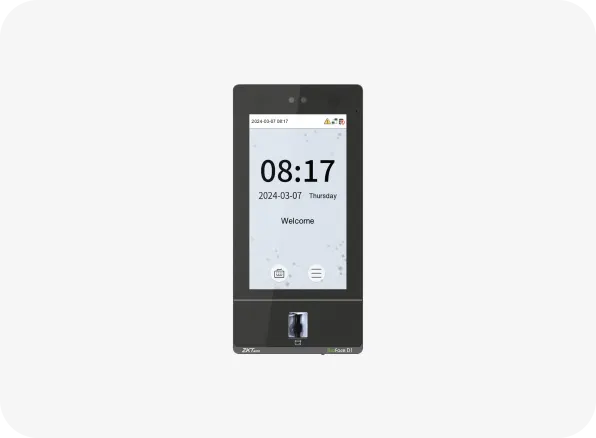
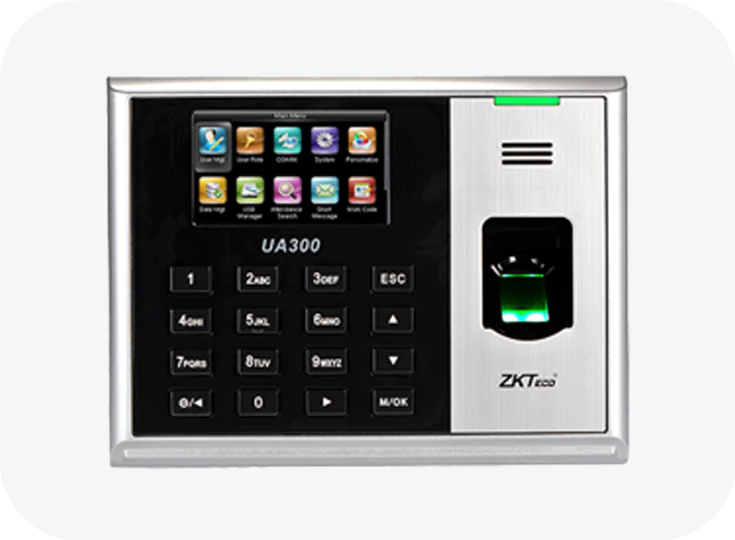
The ZKTeco BioPro SA40 is now in stock and available at Infome Technologies, the leading Attendance & Access Control supplier in the UAE. We ensure authentic products, fast delivery, and dedicated after-sales support for all your business ZKTeco needs.
If you'd like to see ZKTeco BioPro SA40 in person before making a purchase, we welcome you to visit our physical stores in Dubai, Abu Dhabi, and Riyadh.
Khalid Bin Al Waleed Rd, Bur Dubai, Dubai, United Arab Emirates
Ph: +971 4 354 6020
Get DirectionAl Walid Building, Electra Street – Al Danah – Zone 1, Abu Dhabi, UAE
Ph: +971 2 309 2920
Get DirectionAl Askan Towers, Dabbab Street, Riyadh, Kingdom of Saudi Arabia
Ph: +966 115160054
Get Direction Check out websiteProfessionally trained technical support experts at your service.
Quality and customer satisfaction are our great assurance.
Building trust by providing genuine products at best price.



.webp)